Flying Message Patterns: A Strategic Tool for Creative and Professional Projects
In the world of digital design and creative production, the ability to communicate ideas effectively through visual elements is crucial. One such tool that has gained attention among designers, marketers, and entrepreneurs is Flying Message Patterns. This digital paper set offers a versatile solution for a wide range of applications, from greeting cards to gift wrapping, party accessories, invitations, and more. Understanding how to strategically use Flying Message Patterns can enhance your creative workflow and improve the outcomes of your projects.
What Are Flying Message Patterns?
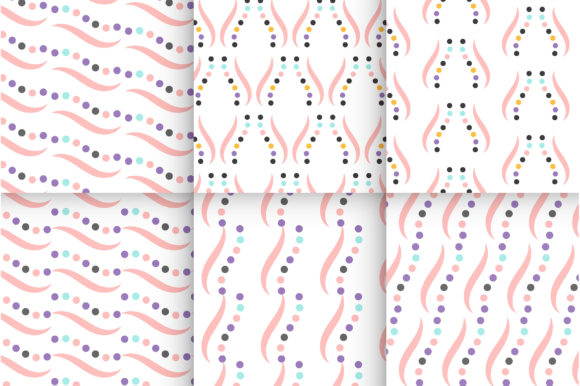
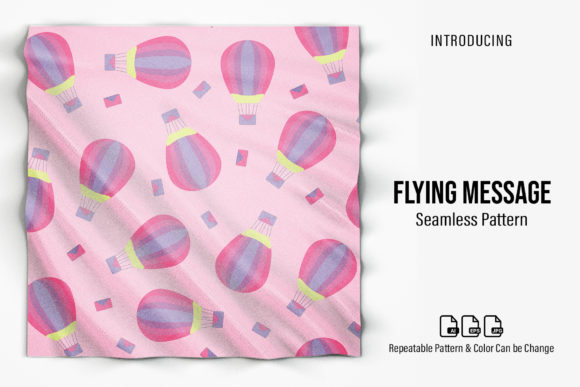
Flying Message Patterns are high-resolution, repeatable digital designs that incorporate messages or text elements in a visually engaging way. These patterns are typically available in multiple file formats, including EPS, AI, and JPG, making them adaptable for various uses. The key features include a size of 1000×1000 pixels at 300 dpi, ensuring clarity and quality when printed or used digitally. Additionally, the color scheme can be customized to match specific branding or project needs.
The versatility of Flying Message Patterns lies in their ability to blend functionality with aesthetics. Whether you're creating a custom invitation for a special event or designing a unique gift tag, these patterns provide a professional look without requiring advanced design skills. They serve as a foundation for creativity, allowing users to focus on the message rather than the technical aspects of design.
Strategic Use of Flying Message Patterns
For professionals and creatives, Flying Message Patterns offer more than just visual appeal—they can be a strategic asset in achieving specific goals. When used thoughtfully, they can support branding efforts, enhance customer experience, and streamline operations. For instance, a small business owner looking to create a cohesive brand identity can use these patterns to maintain consistency across all marketing materials, from packaging to social media posts.
Consider the following scenarios where Flying Message Patterns can be strategically applied:
- Event Planning: Use Flying Message Patterns to design invitations, banners, and signage for weddings, conferences, or product launches. The repeatable nature of the pattern ensures a uniform look across all materials.
- Marketing Campaigns: Incorporate Flying Message Patterns into digital ads, email templates, or print brochures to reinforce brand messaging and create a memorable visual identity.
- Product Packaging: Customize Flying Message Patterns to align with your brand's colors and messaging, adding a professional touch to gift boxes, labels, or promotional items.
- Interior Design: Use the patterns as wallpaper or decorative elements in home or office spaces, blending practicality with artistic expression.
When to Use Flying Message Patterns
Determining the right time to use Flying Message Patterns depends on the specific needs of your project. If you're planning a campaign that requires consistent visual elements, these patterns can save time and ensure a polished result. They are particularly useful when working under tight deadlines or when aiming for a professional finish without the need for extensive design work.
However, it's important to consider the context in which Flying Message Patterns will be used. For example, if your target audience values minimalism, a highly detailed pattern might not be the best choice. Conversely, if your brand is known for bold visuals, a vibrant and intricate pattern could enhance your message and resonate with your audience.
How to Approach Flying Message Patterns
Before relying on Flying Message Patterns, take the time to plan and evaluate your needs. Start by defining the purpose of your project and identifying the key messages you want to convey. This will help you choose a pattern that aligns with your goals and enhances the overall impact of your work.
Additionally, consider the technical requirements of your project. Ensure that the file format you select (EPS, AI, or JPG) is compatible with your intended use. For instance, EPS and AI files are ideal for professional printing, while JPG files are better suited for digital applications. Testing the pattern in different contexts can also help you identify any potential issues before finalizing your design.
Key Considerations Before Using Flying Message Patterns
While Flying Message Patterns offer numerous benefits, there are several factors to keep in mind before incorporating them into your work:
- Originality: Ensure that the pattern you choose does not infringe on existing copyrights or trademarks. Always verify the licensing terms provided by the seller.
- Customization: Although Flying Message Patterns allow for color changes, some patterns may have limitations in terms of text placement or layout. Be aware of these constraints when selecting a design.
- Scalability: Check whether the pattern maintains its quality when scaled up or down. High-resolution files are essential for maintaining clarity in both digital and print formats.
- Contextual Fit: Evaluate how the pattern complements your existing design elements. A mismatched pattern can detract from the overall aesthetic of your project.
Potential Risks of Unintentional Use
Using Flying Message Patterns without clear goals or context can lead to unintended consequences. For example, a pattern that appears visually appealing may not align with your brand's message, resulting in confusion or a lack of engagement from your audience. Similarly, overusing a pattern without considering its impact on the overall design can make your work look cluttered or unprofessional.
To avoid these risks, take a deliberate approach. Define your objectives, understand your audience, and test the pattern in different scenarios. This will help you make informed decisions and ensure that Flying Message Patterns contribute positively to your project.
Intentional Use of Flying Message Patterns
Instead of using Flying Message Patterns randomly, focus on how they can intentionally support your creative and strategic goals. Ask yourself questions such as: What message do I want to convey? How will this pattern enhance my project? What is the desired outcome? By answering these questions, you can ensure that your use of Flying Message Patterns is purposeful and effective.
Additionally, consider how Flying Message Patterns can be integrated into a broader design strategy. For instance, if you're launching a new product, use the pattern consistently across all marketing channels to build brand recognition and create a cohesive customer experience.
Conclusion: Leveraging Flying Message Patterns for Long-Term Value
Flying Message Patterns are more than just a design element—they are a strategic tool that can enhance your creative projects and support your long-term goals. By understanding their capabilities, considering their context, and using them intentionally, you can unlock their full potential. Whether you're a designer, marketer, or entrepreneur, these patterns offer a practical solution for achieving professional results with ease.
As you explore the possibilities of Flying Message Patterns, remember that thoughtful application is key. With the right approach, these patterns can become an essential part of your creative toolkit, helping you achieve better outcomes and make more informed decisions in your work.