Monochrome Geometric Vector Patterns
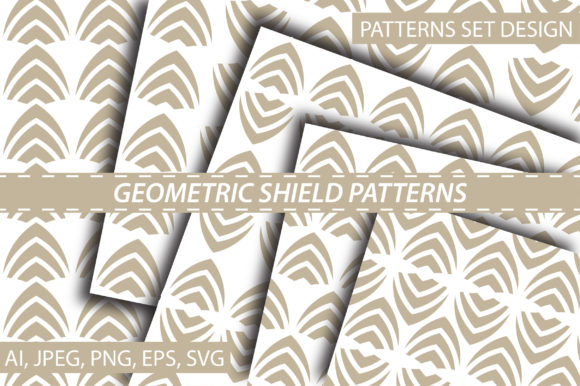
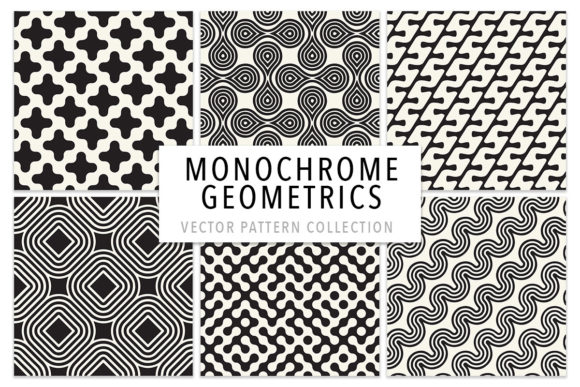
Monochrome geometric vector patterns offer a sleek and sophisticated design solution for a wide range of creative projects. These seamless, black and cream colored patterns combine modern aesthetics with a subtle retro vibe, making them versatile for both digital and physical applications. Whether you're working on print materials, fabric designs, or digital assets, these patterns provide a professional and stylish foundation.
What Are Monochrome Geometric Vector Patterns?
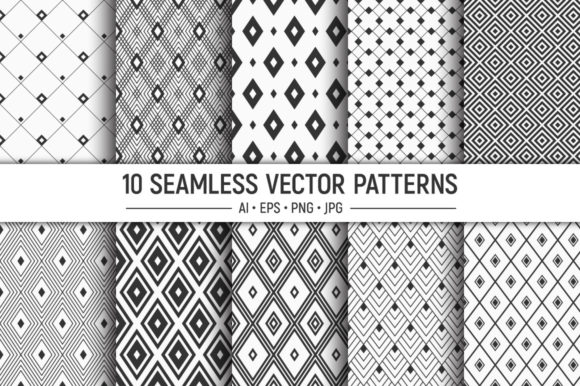
Monochrome geometric vector patterns are digital graphics composed of clean lines, shapes, and forms in a single color palette—typically black and cream. Unlike raster images, which are made up of pixels, vector graphics use mathematical equations to define shapes, allowing for infinite scalability without loss of quality. This makes them ideal for use across various mediums and sizes.
These patterns are designed to repeat seamlessly, meaning they can be used as backgrounds or textures without visible seams. The geometric elements often include triangles, circles, squares, and abstract shapes arranged in a way that creates visual interest while maintaining a minimalist look.
Why Different Audiences Care About Monochrome Geometric Vector Patterns
For beginners, monochrome geometric vector patterns offer an accessible way to enhance their designs without the need for advanced skills. They can be easily integrated into projects using graphic design software like Adobe Illustrator or Photoshop. For professionals, these patterns provide a reliable and high-quality resource that can be customized to fit specific branding or project needs.
Entrepreneurs and small business owners may find these patterns useful for creating unique products for their online stores. Whether it's designing custom phone cases, fabric prints, or packaging, the ability to edit and adapt the patterns ensures a personalized touch. Educators and students can benefit from using these patterns in design courses, offering real-world examples of how geometric shapes and repetition can be applied in visual communication.
How Different Users Might Approach Monochrome Geometric Vector Patterns
Beginners might focus on ease of use and availability of resources. They may look for patterns that are simple to apply and come with clear instructions. Experienced users, on the other hand, may prioritize flexibility and customization options. They might explore how to modify the patterns to match specific design themes or client requirements.
Creators and artists could use these patterns as a base for more complex compositions, layering them with other elements to create unique artwork. Business owners looking to expand their product lines might evaluate the commercial value of the patterns, considering factors like licensing, scalability, and market demand.
Practical Applications for Various User Types
Graphic designers can use monochrome geometric vector patterns as backgrounds for website banners, social media posts, or advertising materials. Their clean lines and neutral color scheme make them adaptable to different brand identities. For example, a designer working on a tech startup’s marketing campaign might choose a pattern that conveys innovation and simplicity.
Print-on-demand shop owners can take advantage of these patterns by using them on items like t-shirts, mugs, and phone cases. The high-resolution JPG and PNG files ensure that the designs remain sharp and clear when printed. A small business owner selling handmade goods might use these patterns to create a cohesive aesthetic across their product line.
Home decor enthusiasts can apply the patterns to fabric for cushions, curtains, or wall art. The vector files allow for easy adjustments, so the design can be tailored to fit specific spaces. A homeowner looking to refresh their living room might select a pattern that adds visual interest without overwhelming the space.
Key Considerations When Evaluating Monochrome Geometric Vector Patterns
When choosing monochrome geometric vector patterns, it's important to consider factors like file format, resolution, and editability. The availability of AI, EPS, and PAT files ensures compatibility with a variety of design tools. High-resolution JPG and PNG files are essential for print projects, while vector formats allow for greater flexibility in editing.
Users should also think about their long-term needs. A designer who frequently updates their portfolio may appreciate the ability to modify colors or adjust the scale of the patterns. A business owner looking to streamline production might prioritize patterns that are easy to license and apply across multiple products.
Choosing the Right Monochrome Geometric Vector Patterns for Your Needs
If you're just starting out, look for patterns that are easy to use and come with clear documentation. For more advanced users, focus on patterns that offer a high degree of customization. If you're running a business, consider the commercial rights and how the patterns can be applied to different products.
Ultimately, monochrome geometric vector patterns are a valuable tool for anyone involved in design, whether professionally or as a hobby. Their versatility, quality, and adaptability make them a smart choice for a wide range of creative projects. By understanding your own goals and needs, you can select the right patterns to elevate your work and bring your vision to life.