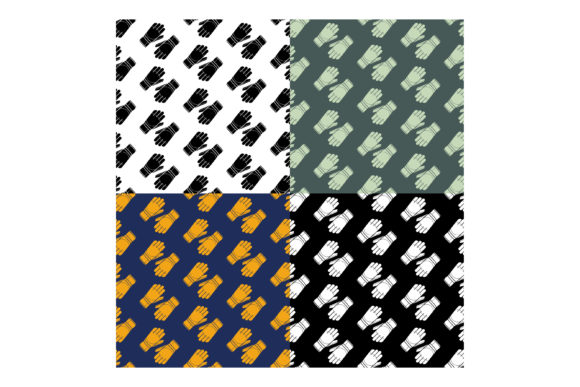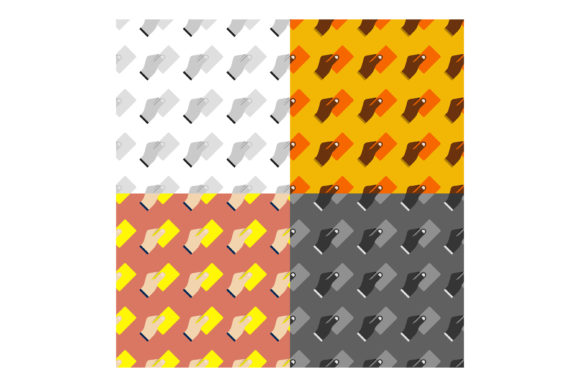
Patterns with Hand and Card
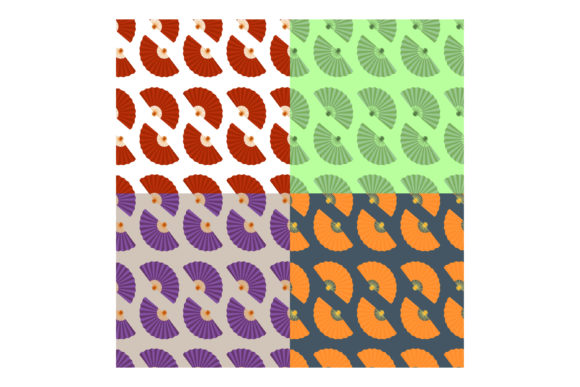
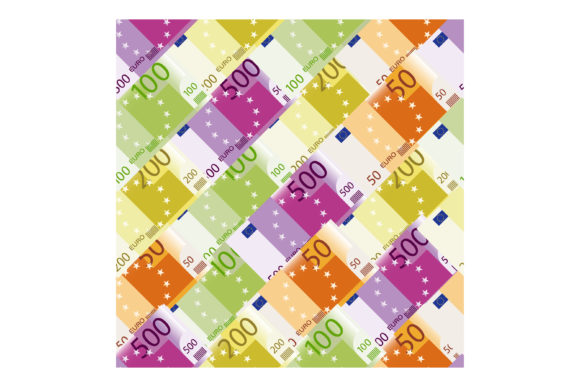
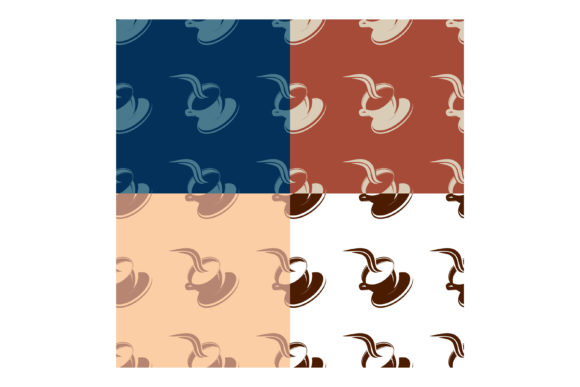
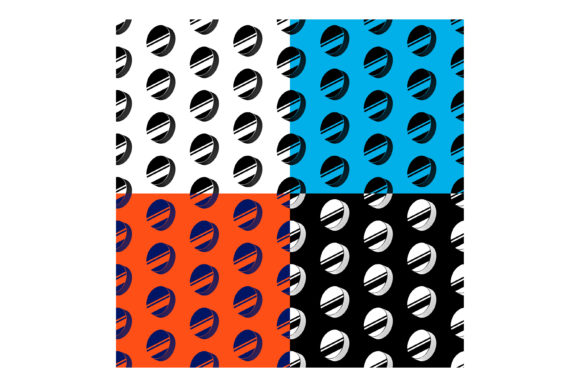
Patterns with Hand and Card are a versatile design element that can enhance visual storytelling, decorative applications, and creative projects. These patterns often feature hand-drawn illustrations paired with card imagery, creating a unique aesthetic that blends artistry with functionality. Whether used in graphic design, fabric printing, or digital media, they offer a distinctive way to communicate ideas and add personality to visual work.
When integrated into a broader workflow, Patterns with Hand and Card serve as a bridge between conceptual thinking and tangible execution. They can be part of the early ideation phase, helping to visualize themes or narratives before moving into more detailed design stages. Their adaptability makes them suitable for both digital and physical mediums, ensuring they remain relevant across different project types and industries.
Using Patterns with Hand and Card in Different Stages
Before starting a project, Patterns with Hand and Card can help define the visual tone and style. For example, a designer working on a branding campaign might use these patterns to explore color schemes, layout structures, or symbolic elements that align with the brand’s identity. This early-stage exploration can streamline the decision-making process and reduce the need for revisions later on.
During the execution phase, these patterns can act as a guide for consistency. A team working on a marketing campaign might apply the same pattern across multiple assets—such as social media posts, print materials, and packaging—to maintain a cohesive look. This consistency not only strengthens the brand image but also improves user recognition and trust.
After the project is complete, Patterns with Hand and Card can be repurposed for future use. A freelance illustrator might save these designs in a digital library, allowing quick access for new projects. This reuse saves time and ensures a level of quality that aligns with previous work, maintaining a professional standard over time.
Integration with Other Tools and Resources
Patterns with Hand and Card work well with other design tools and platforms. When using vector software like Adobe Illustrator or Inkscape, these patterns can be easily scaled, modified, and layered with other elements. This compatibility allows for greater flexibility in design, making it easier to adjust the pattern to fit specific needs without losing quality.
They also complement other design assets such as typography, icons, and photographs. A website designer might pair a hand-drawn pattern with clean, modern fonts to create a balanced visual hierarchy. Similarly, a textile artist could combine these patterns with traditional motifs to create a hybrid design that feels both contemporary and timeless.
Collaboration is another area where Patterns with Hand and Card shine. When working with a team, these patterns can serve as a shared reference point, ensuring everyone has a clear understanding of the visual direction. This shared language can improve communication, reduce misunderstandings, and speed up the design process.
Practical Implementation Tips
One of the key benefits of Patterns with Hand and Card is their ease of use. To get started, designers should first identify the purpose of the pattern. Is it meant to add texture, convey a message, or enhance the overall aesthetic? Clarifying this goal helps determine the appropriate style, color scheme, and scale.
When preparing these patterns for use, it's important to consider the medium. A pattern intended for fabric printing may require higher resolution and specific color profiles compared to one used for digital backgrounds. Testing the pattern in its final format can prevent issues related to clarity, alignment, or scalability.
Organization is also crucial. Designers should store these patterns in a structured manner, using folders or cloud-based systems to categorize them by theme, project, or usage. This organization makes it easier to locate and reuse patterns efficiently, especially when working on multiple projects simultaneously.
Factors for Long-Term Use
For long-term use, the quality of the original design plays a significant role. High-resolution vector files ensure that patterns remain sharp and clear at any size, while well-structured layers allow for easy editing. Investing time in creating high-quality patterns upfront can save effort and resources in the future.
Consistency is another factor to consider. If a pattern is used across multiple projects, maintaining a uniform style helps reinforce brand identity and user experience. This consistency can be achieved through standardized templates, style guides, or predefined color palettes.
Finally, staying updated with design trends and technological advancements can help keep Patterns with Hand and Card relevant. As new tools and platforms emerge, designers can adapt their workflows to take advantage of improved efficiency, better integration, or enhanced creative possibilities.
Workflow Examples and Observations
Consider a small business owner looking to create a custom product line. By incorporating Patterns with Hand and Card into their design process, they can quickly prototype ideas, test different layouts, and refine their visuals before production. This approach reduces costs and minimizes the risk of errors during the manufacturing stage.
A teacher or educator might use these patterns to create engaging learning materials. For instance, a lesson plan on geometry could include hand-drawn patterns that illustrate shapes and spatial relationships. This visual approach can make abstract concepts more accessible and memorable for students.
For a content creator, Patterns with Hand and Card can add a personal touch to their work. Whether designing a podcast cover, social media graphics, or blog headers, these patterns can differentiate their content from others and establish a unique visual signature.
Conclusion
Patterns with Hand and Card offer a practical and creative solution for a wide range of design and planning tasks. Their flexibility, ease of use, and compatibility with other tools make them an essential addition to any workflow. By integrating these patterns thoughtfully, professionals and creators can enhance their projects, maintain consistency, and achieve more efficient and effective results.
Whether used in the early stages of ideation, during execution, or for long-term reuse, these patterns provide value across different contexts. With careful preparation, organization, and adaptation, they can become a powerful tool in any creative or professional setting.