Patterns with Realistic Lying Clothespin
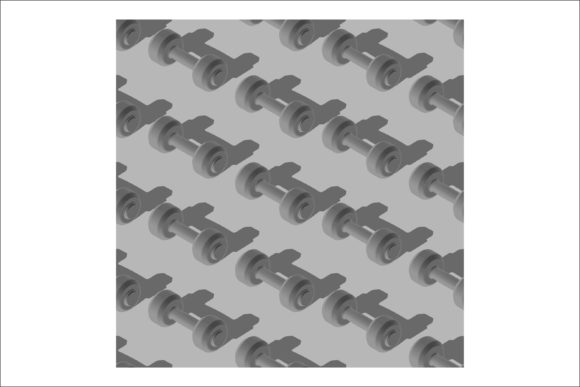
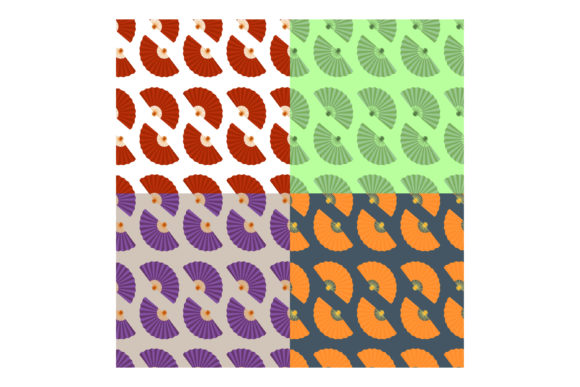
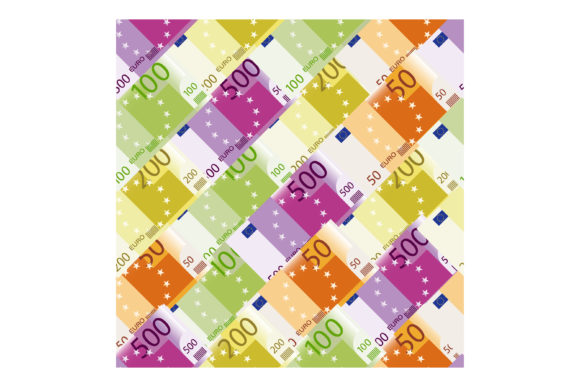
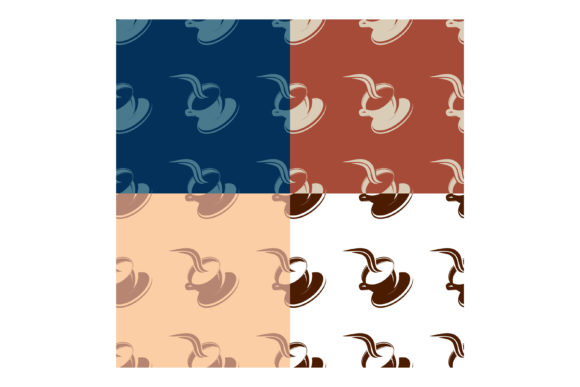
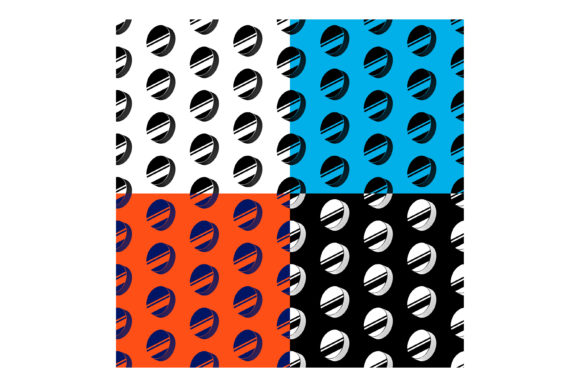
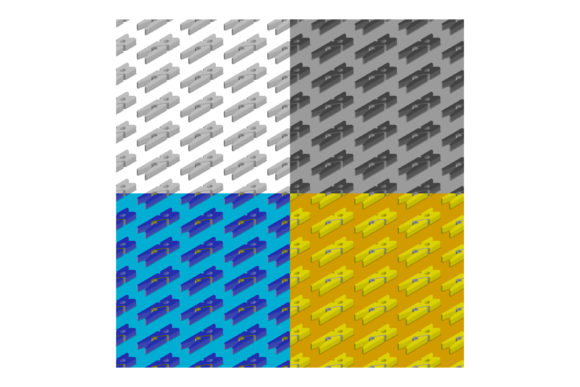
Patterns with Realistic Lying Clothespin is a unique design element that blends practicality with visual charm. These seamless patterns feature lifelike depictions of clothespins in various positions, offering a fresh and creative way to incorporate everyday objects into artistic and commercial projects. The design captures the essence of simplicity while adding a touch of personality, making it ideal for a wide range of applications.
The visual characteristics of these patterns are both detailed and versatile. Each clothespin is rendered with precision, capturing textures, shadows, and subtle curves that mimic real-life objects. This level of detail ensures that the patterns maintain a high-quality appearance across different scales and formats. Whether used in print or digital media, the patterns retain their clarity and appeal, making them a valuable addition to any designer’s toolkit.
The personality of Patterns with Realistic Lying Clothespin leans toward casual, approachable aesthetics. It works well in projects that aim to convey a sense of warmth, nostalgia, or playfulness. The style is neither overly formal nor too informal, striking a balance that suits a variety of creative needs. From packaging designs to social media graphics, this pattern can add a distinctive flair without overwhelming the overall composition.
Where to Use Patterns with Realistic Lying Clothespin
These patterns shine in creative, branding, and marketing projects that benefit from a touch of originality. In editorial design, they can serve as background elements or decorative accents, enhancing the visual narrative without distracting from the main content. For packaging design, the patterns can be used to create eye-catching labels or product wraps that stand out on store shelves.
In web design and social media graphics, Patterns with Realistic Lying Clothespin can be used to add texture or interest to banners, headers, or promotional materials. Their seamless nature makes them easy to scale and integrate into different layouts. When paired with modern typography, they can create a cohesive and professional look that aligns with brand identity goals.
For personal projects, such as handmade crafts or DIY décor, these patterns offer a great way to customize fabric, paper, or other materials. They can be printed onto textiles for home decor, used in textile design for clothing, or incorporated into stationery items like notebooks and greeting cards. The versatility of the pattern allows it to adapt to different mediums and purposes.
How Patterns with Realistic Lying Clothespin Affects Design
When used effectively, Patterns with Realistic Lying Clothespin can enhance readability, visual hierarchy, and brand perception. The pattern’s simplicity ensures that it doesn’t compete with text or other design elements, allowing it to function as a supporting component rather than a dominant one. This makes it ideal for backgrounds, borders, or subtle accents that reinforce a design’s theme without overshadowing it.
Consistency is key in branding, and these patterns can help maintain a cohesive look across different platforms and materials. By using the same pattern in various contexts—such as website headers, social media posts, or printed collateral—the brand can establish a recognizable visual language that resonates with its audience.
Audience engagement can also be influenced by the use of these patterns. The realistic depiction of clothespins adds a layer of authenticity and relatability, which can make a design feel more approachable and human. This is particularly useful in campaigns targeting consumers who value craftsmanship, sustainability, or handmade quality.
Choosing and Using Patterns with Realistic Lying Clothespin
When considering Patterns with Realistic Lying Clothespin for a project, start by evaluating the overall design concept. Does the pattern complement the message, tone, and style of the project? If the goal is to create a warm, inviting atmosphere, the pattern can be a strong asset. If the design requires a more minimal or technical look, it may be better to pair the pattern with simpler elements.
Testing font pairings is an important step when integrating these patterns into a larger design system. While the pattern itself is not a font, its visual style can interact with typography in interesting ways. For example, pairing it with a clean sans serif font can create a balanced and modern look, while a handwritten or script font might add a more organic feel.
Reviewing the included styles and variations of the pattern is also essential. Some versions may be optimized for specific uses, such as high-resolution printing or digital screens. Understanding the available options will help ensure that the pattern performs well in its intended context.
Readability should always be a priority. Even though the pattern is visually appealing, it should not interfere with the legibility of text or other critical information. Testing the pattern at different sizes and against various background colors can help identify potential issues before finalizing the design.
Commercial licensing is another consideration, especially for businesses or creators looking to use the pattern in paid projects. Ensuring that the rights are properly acquired allows for safe and legal use across different platforms and mediums. This is particularly important for small business owners and independent designers who rely on their work for income.
Real-World Applications and Recommendations
One practical application of Patterns with Realistic Lying Clothespin is in the creation of custom fabric prints for home décor or apparel. By incorporating the pattern into a textile design, creators can produce unique and eye-catching products that stand out in a competitive market. This is especially useful for small businesses looking to differentiate themselves through personalized design elements.
In marketing materials, the pattern can be used to add visual interest to brochures, posters, or email newsletters. Its seamless nature allows it to repeat effortlessly, creating a cohesive and professional look that enhances the overall presentation. When combined with a clear call-to-action, the pattern can help guide the viewer’s attention and improve engagement.
For bloggers and content creators, these patterns can be used to design custom graphics for social media posts, blog headers, or website backgrounds. The realistic depiction of clothespins adds a touch of personality that can help build a stronger connection with the audience. It’s a subtle yet effective way to reinforce a brand’s visual identity.
Ultimately, Patterns with Realistic Lying Clothespin is more than just a design element—it’s a tool that can elevate a wide range of creative and commercial projects. Whether used in packaging, web design, or personal crafts, it offers a unique blend of functionality and aesthetic appeal that can enhance the overall impact of a design. With thoughtful application and proper integration, it can become a powerful asset in any designer’s repertoire.